Learning Disability Assessment
Carnation Psychology provides learning disability assessments for teens and adults in/around Centennial, CO to identify specific learning differences, such as in reading, writing, or math that affect school, work, or daily functioning.
Learning disabilities are often missed in adults who developed strong workarounds, or in teens whose struggles get attributed to "not trying hard enough." A formal assessment can clarify what's actually going on and open the door to accommodations at school or work
Clinical interview
IQ testing
Academic achievement testing
Specific learning disability tests that examine areas of difficulty
Symptom-specific tests (i.e. ADHD symptoms, social functioning, executive functioning) with collateral reports to rule out other underlying explanations
If I have your permission, I’ll review available school, medical, and any mental health records that may help improve the accuracy of the report
A 1 hr feedback session to review findings and recommendations
Copy of final report with all findings and recommendations
Process Typically Includes:
Frequently Asked Questions
-
Both! Adult ADHD assessment is a significant part of my practice, especially for those who compensated well enough to avoid diagnosis growing up.
-
A LD assessment alone does not guarantee academic or workplace accomodations. Schools, employers, and testing boards require proof of specific functional limitations and a direct link between your diagnosis and the requested support, governed by standards like the ADA. They will make the ultimate decision on what is or is not granted, but I can support you by increasing your chances by making data-informed recommendations.
-
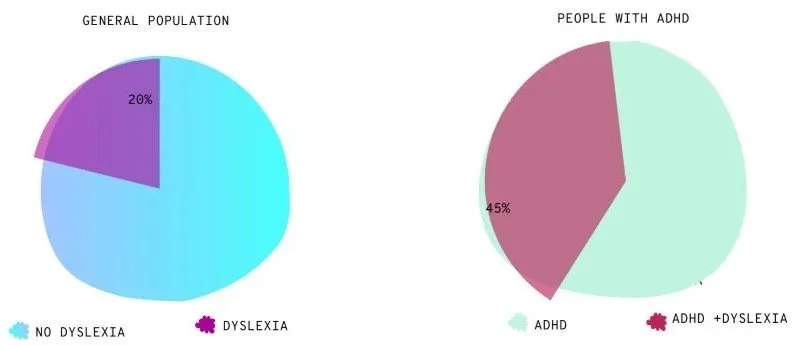
A learning disability affects the acquisition of specific academic skills like reading, writing, or math. ADHD, by contrast, affects broader executive functions: the ability to focus, regulate emotion, and manage impulses across nearly every area of life, not just academic ones. Because learning depends heavily on executive functions like sustaining attention, staying engaged with a task, and holding information in working memory, a learning disability can easily look like ADHD in a teen or adult who's struggling.
That overlap is exactly why the two get confused so often. But a learning disability is rooted in one or more specific cognitive processes tied to a particular skill area, while ADHD's impact is broader, touching attention, emotional regulation, and self-control across school, work, and daily life.
-
It typically takes approximately 7 hours of in-person testing. This includes the interactive tests and the clinical interview. I typically schedule 2-3 testing days, 2-3 hours each in the mornings. I aim to have feedback within 2 weeks of the last testing day.
-
$2,500. Insurance providers typically classify learning disability assessments as educational or developmental evaluations rather than medical necessities, meaning they are frequently excluded from standard health plan coverage.
Still have questions? Take a look at the FAQ or reach out anytime. If you’re feeling ready, please reach out to Dr. Saurber for an initial phone call.